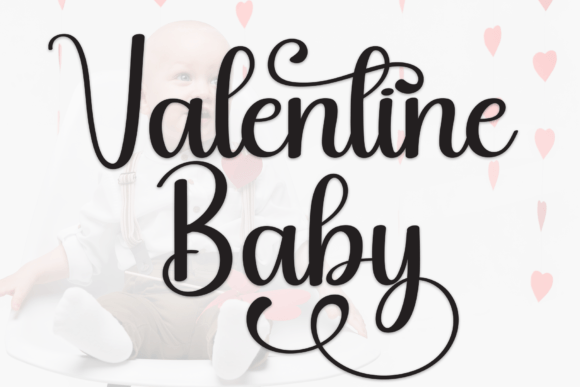
Valentine Baby: Elevate Your Creative Projects
In the world of graphic design, the right typeface can transform a simple message into an unforgettable visual experience. Typography is more than just letters on a page; it's a voice, a tone, and a critical component of brand identity. For designers and creators seeking to inject personality and warmth into their work, discovering a font that balances charm with professionalism is a game-changer. Enter Valentine Baby, a fun handwritten font masterfully crafted to become a true favorite in any creative's toolkit.
Understanding the Visual Impact of Handwritten Fonts
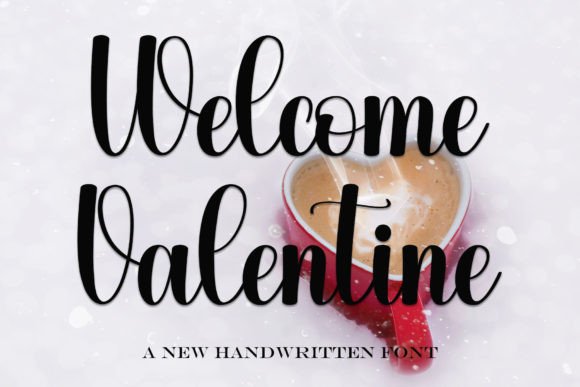
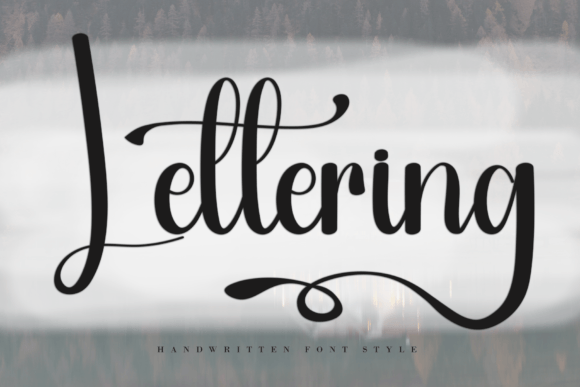
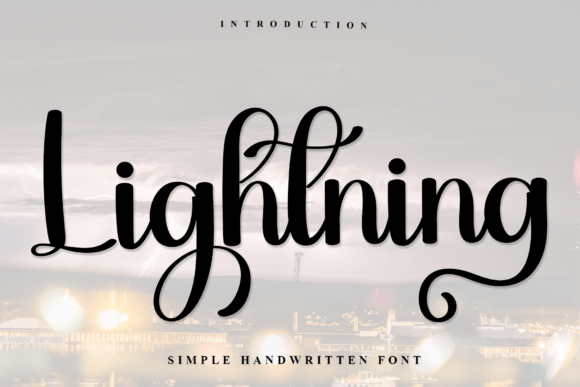
Contemporary and fresh, fonts like Valentine Baby are perfect for any design you wish to create. They bridge the gap between digital precision and human touch, offering a sense of authenticity that resonates with modern audiences. In visual design, this emotional connection is paramount. A handwritten style can soften a brand's voice, make marketing materials feel more personal, and guide a viewer's eye with an organic flow that rigid typefaces often lack.
The role of such a font in effective visual communication is significant. It contributes directly to the visual hierarchy of a design, allowing key messages to stand out with flair. For brands aiming to convey approachability, creativity, or sentimentality, incorporating a script or handwritten style into their typography system can strengthen their overall brand identity and improve user engagement across various touchpoints.
Practical Applications for Modern Design Projects
The versatility of a well-designed handwritten font makes it a valuable asset across a multitude of creative projects. Its application is limited only by the designer's imagination, but certain areas benefit immensely from its unique character.
- Branding and Logo Design: Use it to craft distinctive wordmarks or accent elements that give a brand an immediate, friendly personality.
- Marketing Materials: From flyers and brochures to email headers, it adds a personal touch that captures attention in crowded digital and print spaces.
- Social Media Graphics: Create scroll-stopping posts, stories, and quotes that feel authentic and enhance community connection.
- Website and UI Design: Sparingly, it can highlight calls-to-action, decorative headers, or testimonials to improve visual interest and guide user experience.
- Packaging Design: Ideal for product labels, gift tags, and artisanal goods, it communicates care and craftsmanship.
- Editorial Layouts: Add flair to magazine pull quotes, section headers, or book covers to break the monotony of body text.
Integrating Typography into Your Design Workflow
Selecting and evaluating a font like Valentine Baby requires considering several practical factors to ensure it enhances rather than hinders your design. Readability is paramount; while stylistic, the letterforms must remain clear at various sizes, especially for smaller text or UI elements. Always test a font in context with your chosen color palette and imagery to ensure harmony.
Consider scalability and compatibility. A quality font will work seamlessly across print and digital mediums. When integrating it into an existing brand system, assess how it complements primary typefaces. A helpful tip is to pair a expressive handwritten font with a clean, neutral sans-serif for body text. This creates a balanced visual hierarchy, ensuring your design is both engaging and easy to consume. Building a library of such thoughtfully chosen creative assets streamlines your design workflow and elevates the quality of every project.
Ultimately, the power of a font like Valentine Baby lies in its ability to carry a message with style and emotion. In a digital landscape saturated with generic visuals, investing in high-quality typography and design elements is not just an aesthetic choice—it's a strategic one. These assets become fundamental to creating professional presentations, compelling advertising campaigns, and memorable digital products that truly connect with their intended audience. Thoughtful design choices, grounded in an understanding of tools and their impact, are what separate good design from great communication.