Lettering: Elevate Your Visual Design
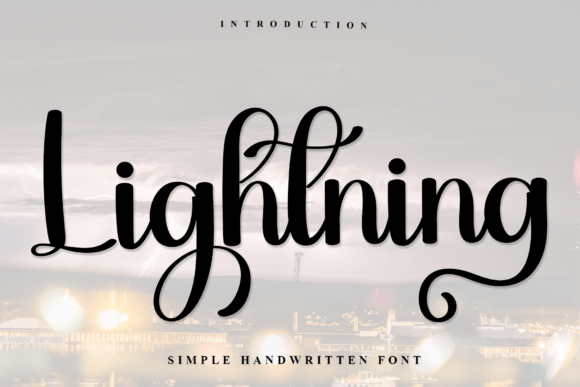
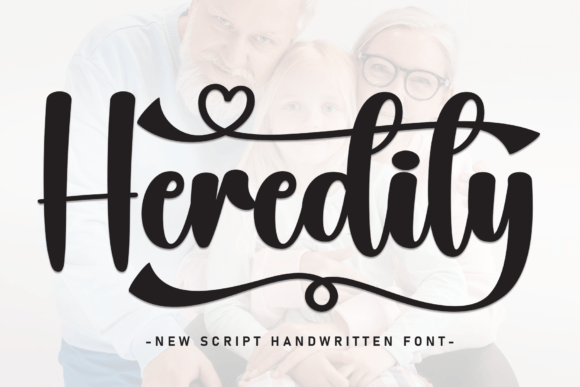
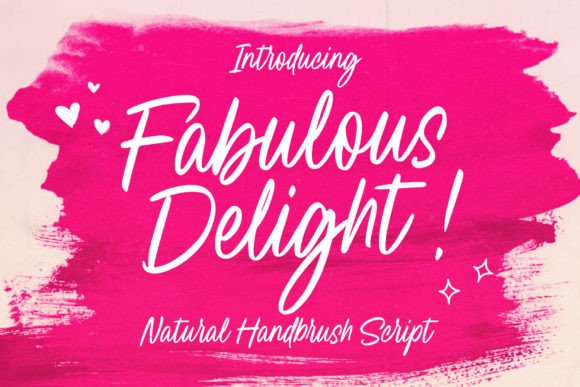
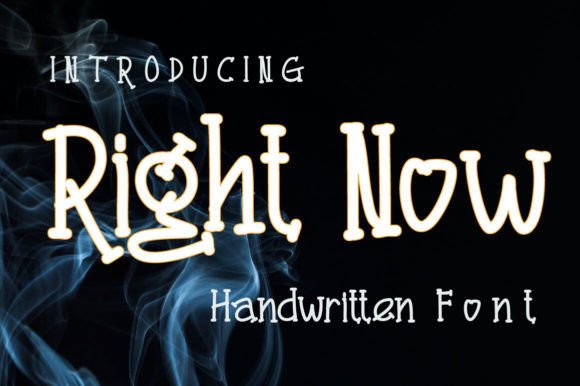
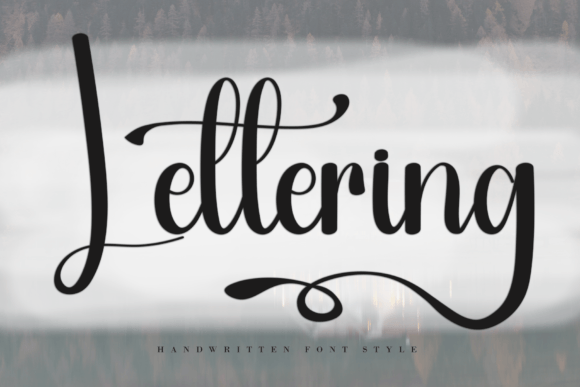
There's an undeniable energy in a design that feels both personal and polished. It's a quality that captures attention and communicates authenticity, often achieved through the strategic use of expressive typography. This is where a font like Lettering excels. More than just a collection of characters, it's a stylish handwritten font that embodies the expressive beauty of brush lettering. With its confident strokes and dynamic letterforms, Lettering achieves a perfect blend of modernity and artistic flair, making it a powerful creative asset for designers seeking a bold, contemporary aesthetic.
Understanding the Role of Expressive Typography
In the realm of graphic design, typography is a cornerstone of visual communication. It sets the tone, conveys emotion, and guides the viewer's eye. A typeface like Lettering moves beyond simple legibility to inject personality and warmth into a project. Its handwritten quality feels approachable and human, which is invaluable for building a strong brand identity. When used thoughtfully, it can transform a standard layout into a memorable experience, enhancing everything from logo design to social media graphics.
Practical Applications Across Design Disciplines
The versatility of a font like Lettering allows it to shine in numerous creative projects. Its modern aesthetic adapts seamlessly to various mediums, providing consistency and flair. Consider its impact in the following areas:
- Branding and Logo Design: Lettering can serve as the core of a brand's visual identity, especially for businesses wanting to appear creative, boutique, or personal. It works beautifully for craft brands, lifestyle blogs, and artisanal products.
- Marketing and Advertising: In digital marketing and print design, it captures attention in headlines, quotes, and call-to-action phrases, adding a layer of authenticity that generic fonts lack.
- Social Media and Web Design: For social media graphics, website headers, and UI design accents, Lettering helps create a distinct voice. It improves user engagement by making digital spaces feel more curated and less sterile.
- Packaging and Editorial Design: On packaging, it suggests handcrafted quality. In editorial layouts, it can highlight pull quotes or section titles, creating a dynamic visual hierarchy that guides the reader through the content.
Integrating Lettering into Your Design Workflow
Successfully incorporating an expressive font like Lettering requires more than just installation. It demands a thoughtful approach to ensure it enhances, rather than overwhelms, your design. Here are key considerations for professional use:
- Prioritize Readability and Scalability: While beautiful, handwritten fonts must remain legible at various sizes. Test Lettering in both large headlines and smaller subheadings to ensure clarity. Avoid using it for long body paragraphs where a simpler sans-serif or serif font is more appropriate.
- Establish Visual Hierarchy: Use Lettering strategically to create emphasis. Pair it with a clean, neutral font for body text. This contrast establishes a clear hierarchy, making your main message stand out while ensuring overall readability.
- Consider Context and Audience: The bold, artistic nature of Lettering is perfect for audiences that value creativity and individuality. Ensure its style aligns with your brand's core message and the expectations of your target market.
- Maintain Brand Consistency: If you integrate Lettering into a brand identity, document its usage. Define where and how it should appear—such as in logos, specific headings, or promotional materials—to maintain a cohesive and professional presentation across all touchpoints.
Ultimately, the most effective designs are built on intentional choices. Selecting a creative asset like Lettering is about more than following a trend; it's about finding a tool that authentically communicates your brand's character and enhances the user experience. By thoughtfully pairing expressive typography with a solid understanding of composition, color palette, and audience needs, you can craft visuals that are not only beautiful but also deeply effective. Quality design assets empower you to elevate your work, ensuring every project makes a lasting and professional impression.