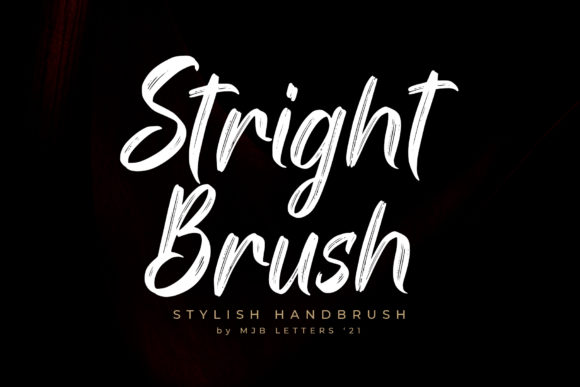
Stright Brush: A Handwritten Font for Authentic Design
In a digital world saturated with polished, uniform typefaces, the human touch often makes the most significant impact. The Stright Brush font captures this essence perfectly, offering a handwritten script that feels both personal and professionally crafted. Its natural flow and balanced weight make it an invaluable asset for designers seeking to inject warmth and authenticity into their projects without sacrificing legibility or style.
Understanding the Aesthetic of Stright Brush
Typography is a cornerstone of visual design, and choosing the right typeface can define a brand's voice. Stright Brush is characterized by its organic, flowing strokes that mimic real handwriting. It strikes a crucial balance—neither too thin to disappear on a busy background nor too thick to overwhelm a layout. This versatility allows it to function effectively across various mediums, from high-resolution screens to textured print materials.
When evaluating a font for your creative assets, consistency and scalability are key. Stright Brush maintains its integrity whether used for large headlines or smaller subheadings, ensuring your visual hierarchy remains clear. It supports a modern aesthetic that favors fluidity and human connection, making it ideal for projects that aim to feel approachable and genuine.
Practical Applications in Modern Design
The utility of a quality handwritten font extends far beyond simple text placement. It is a strategic tool for visual communication. Here are several practical applications where Stright Brush can elevate your work:
- Branding and Logo Design: Create a distinct brand identity that stands out from corporate, rigid competitors. A script font can convey creativity, luxury, or friendliness depending on the context.
- Social Media Graphics: Enhance engagement on platforms like Instagram and Pinterest. Handwritten elements often draw the eye, making your posts more shareable and relatable.
- Web and UI Design: Use it selectively for call-to-action buttons or feature headers to break the monotony of standard sans-serif fonts and improve user experience (UX).
- Packaging and Editorial Design: Add an artisanal touch to product labels or magazine layouts. It works beautifully alongside photography and minimalist color palettes.
- Marketing and Advertising: Personalize email campaigns, flyers, and presentations to foster a stronger emotional connection with the audience.
Integrating Typography into Your Design Workflow
Successfully incorporating a font like Stright Brush requires thoughtful composition. Because it is a display font, readability can decrease if used for long blocks of body text. Instead, pair it with a clean, geometric sans-serif or a classic serif font. This contrast creates a dynamic visual hierarchy that guides the reader's eye naturally.
Consider your color palette carefully. Handwritten fonts often look best when they have room to breathe, so avoid cluttered backgrounds. Ensure that the weight of the font complements the other elements on the page; it should enhance, not compete with, your imagery. By treating typography as a core component of your design strategy rather than an afterthought, you ensure a polished and professional result.
Ultimately, the tools you choose shape the stories you tell. Selecting high-quality creative assets like Stright Brush allows you to bridge the gap between digital precision and human emotion. Whether you are refining a brand identity or crafting a new marketing campaign, thoughtful typography choices are essential for effective communication and lasting visual impact.