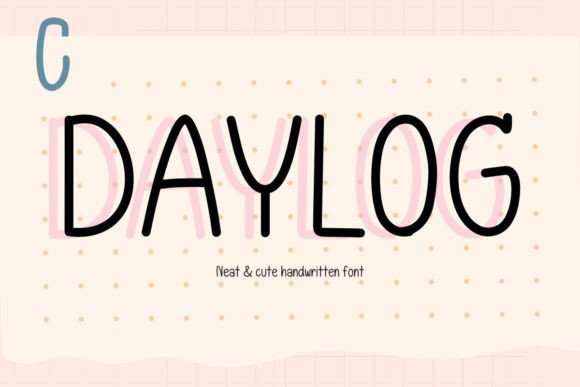
Daylog: A Handwritten Font for Authentic Digital Design
In the digital age, the warmth of a handwritten note can be a powerful differentiator. Daylog is a neat and cute handwritten font meticulously crafted to capture the natural flow of pen on paper, offering a solution for designers and creators seeking to inject authenticity and a personal touch into their digital projects. Its carefully designed letterforms ensure effortless readability while maintaining the charming imperfections of real handwriting, making it an invaluable creative asset for modern visual communication.
Understanding Daylog's Role in Visual Design
Typography is a cornerstone of graphic design, directly influencing brand identity, user experience, and emotional resonance. A font like Daylog serves a specific and vital function: it bridges the gap between the sterile precision of digital text and the organic, relatable quality of human expression. In an era dominated by clean sans-serifs and sharp geometric fonts, incorporating a handwritten typeface can break visual monotony, draw the eye, and establish an immediate, friendly connection with the audience. This makes it particularly effective for projects where personality and approachability are key design goals.
Practical Applications for Creative Projects
The versatility of a font like Daylog extends across numerous design disciplines. Its application can enhance everything from brand collateral to digital interfaces, provided it is used with strategic intent. Here are some key areas where it can add significant value:
- Branding and Logo Design: Ideal for boutique brands, artisanal products, or personal blogs that want to convey craftsmanship, care, and a hands-on aesthetic. It can create a memorable logotype that feels custom-made.
- Marketing Materials: Perfect for headlines, pull quotes, or call-to-action text in brochures, flyers, and email campaigns. It adds a personal, persuasive element that can increase engagement and response rates.
- Social Media Content: Helps posts stand out in crowded feeds. Use it for Instagram stories, quote graphics, or video captions to create a consistent, recognizable, and engaging visual voice.
- Website and UI Design: When used sparingly, it can highlight important notifications, button labels, or testimonial text, adding warmth to an otherwise structured interface and improving the overall user experience.
- Editorial and Packaging Design: Adds a human touch to magazine layouts, book covers, or product packaging, suggesting authenticity and a story behind the brand.
Integrating Daylog into Your Design Workflow
Selecting and implementing a font like Daylog effectively requires more than just aesthetic preference. It involves thoughtful consideration of your overall design system and communication objectives. To ensure it strengthens rather than distracts, consider these practical tips:
- Maintain Visual Hierarchy: Use Daylog for specific, high-impact elements like subheadings, quotes, or labels. Pair it with a clean, neutral typeface for body copy to ensure optimal readability and a balanced composition.
- Evaluate Readability and Scalability: Test the font at various sizes. While perfect for medium to large text, ensure it remains legible when scaled down for smaller applications like captions or UI elements.
- Ensure Brand Consistency: If incorporating it into a brand identity, create clear guidelines for its use. Define which contexts are appropriate to maintain a cohesive and professional presentation across all touchpoints.
- Consider Audience Expectations: Align the font’s style with your target audience. Its cute, neat character is excellent for lifestyle, education, food, and creative industries but may need careful consideration in more formal corporate settings.
Thoughtful design is about making intentional choices that serve both form and function. Integrating a quality creative asset like the Daylog font is a strategic decision that can significantly elevate a project's aesthetic appeal and emotional impact. By understanding its strengths and applying it judiciously, designers, marketers, and creators can craft more authentic, engaging, and memorable visual narratives that resonate deeply with their audience.