Saxophone Music: A Handwritten Font for Dynamic Design
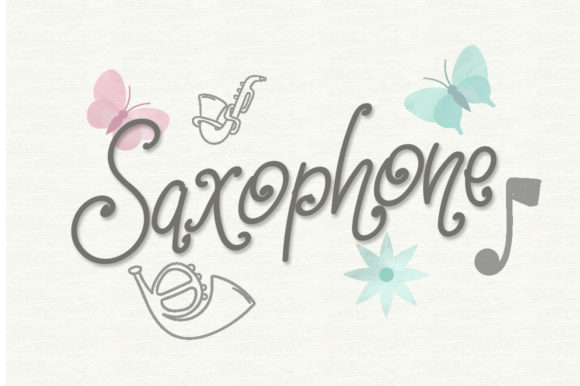
Imagine a font that doesn't just sit on the page but dances across it, infusing your work with rhythm and personality. Saxophone Music is a handwritten typeface designed to do exactly that, offering a unique, bouncy, and lovely style that brings a quirky, human touch to modern graphic design. In a landscape saturated with clean sans-serifs and rigid serifs, this font stands out by injecting warmth, creativity, and a sense of playful elegance into any project.
Why Handwritten Fonts Matter in Visual Communication
Typography is a cornerstone of visual hierarchy and brand identity. While minimalist fonts excel in clarity, handwritten styles like Saxophone Music serve a different, vital purpose: they create emotional connection. This font’s fluid, organic letterforms mimic the natural flow of handwriting, making it ideal for designs that aim to feel personal, approachable, and authentic. Its bouncy baseline adds subtle movement, guiding the viewer’s eye in a way that feels engaging rather than static. For designers and marketers, this translates to improved user engagement, especially in contexts where storytelling and relatability are key.
Practical Applications for Saxophone Music
The versatility of a well-crafted handwritten font allows it to enhance a wide array of creative projects. Its style is particularly effective where a brand wants to convey creativity, joy, or a handcrafted quality. Consider integrating Saxophone Music into the following areas:
- Branding and Logo Design: Use it for logos, taglines, or brand marks for businesses in creative industries, boutique shops, cafes, or lifestyle brands that value a personal touch.
- Marketing Materials: Elevate flyers, brochures, and posters with eye-catching headlines or call-to-action text that feels inviting and memorable.
- Social Media Content: Create standout graphics for Instagram stories, quote cards, or promotional posts where a handwritten style can increase shares and likes by breaking the visual monotony.
- Website and UI Design: Apply it strategically to hero sections, accent headlines, or button text in web design to add character without compromising overall usability and readability.
- Packaging and Editorial Design: Add a distinctive flair to product packaging, book covers, or magazine layouts, making the design feel more artisanal and less corporate.
Integrating Saxophone Music into Your Design Workflow
Successfully incorporating a display font like Saxophone Music requires thoughtful application. Its primary strength is in headings, logos, and short bursts of text where its personality can shine. For body copy, pair it with a clean, highly readable sans-serif or serif font to maintain clarity and establish a strong visual hierarchy. Always consider your audience and design goals; this font is perfect for projects targeting a younger demographic or those in the creative, food, or fashion sectors. When selecting a color palette, ensure the hues complement the font’s lively nature—think warm tones, pastels, or vibrant accents that enhance its bouncy energy.
Before finalizing, test the font at various scales to ensure it remains legible in both digital and print design contexts. Check its compatibility with existing brand assets to maintain consistency across all touchpoints. Ultimately, the most effective design choices are those that serve the project’s message. A resource like Saxophone Music is more than just a creative asset; it’s a tool for building a more human, engaging, and visually cohesive brand experience. By selecting typography that aligns with your brand’s voice, you transform good design into great communication.