Block: Elevating Design with Handwritten Elegance
Every designer knows the search for that perfect typeface—one that carries personality, warmth, and authenticity without sacrificing clarity. In an era where digital precision often dominates, the human touch of a handwritten font like Block offers a refreshing counterpoint, blending artistic flair with functional design.
Understanding Block's Role in Visual Communication
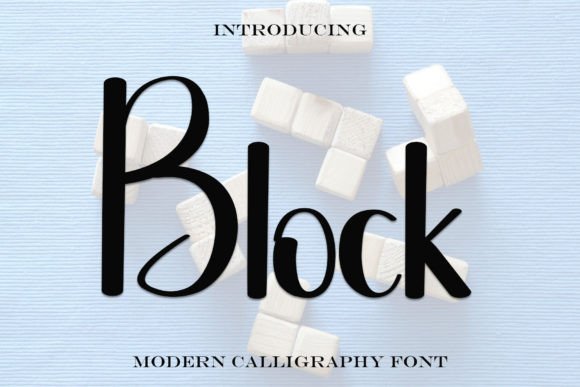
Block is a neat and beautiful handwritten font characterized by an elegant touch, making it a versatile asset for creative projects. Its distinct, timeless style bridges the gap between casual authenticity and sophisticated presentation, allowing designers to inject personality into their work while maintaining professionalism. This balance is crucial in modern graphic design, where visual hierarchy and emotional resonance drive engagement.
Unlike rigid, geometric typefaces, Block introduces organic flow and subtle imperfections that mimic natural handwriting. This quality makes it particularly effective for creating relatable, human-centered designs. Whether used in branding, editorial layouts, or digital interfaces, it helps establish a visual tone that feels approachable yet refined.
Practical Applications Across Design Disciplines
The true value of a creative asset like Block lies in its adaptability. Here are several contexts where its elegant handwritten style can significantly enhance visual impact:
- Branding and Logo Design: Block can serve as a logotype or complementary font for brands aiming to convey craftsmanship, warmth, or artisanal quality. It works well for boutique businesses, lifestyle brands, or creative studios seeking a distinctive identity.
- Marketing and Social Media Graphics: In digital marketing, where capturing attention quickly is essential, Block’s handwritten aesthetic adds a personal touch to headlines, quotes, or call-to-action phrases, improving user engagement on platforms like Instagram or Pinterest.
- Web and UI Design: When used sparingly for headings, buttons, or accent text, Block can break the monotony of standard sans-serifs, guiding the user’s eye through visual hierarchy while adding character to the interface.
- Packaging and Editorial Design: For product labels, book covers, or magazine layouts, Block introduces an artisanal or narrative quality, enhancing the tactile experience and storytelling aspect of the design.
- Presentations and Merchandise: From pitch decks to custom merchandise, this font helps create memorable, cohesive visual materials that stand out in professional or consumer-facing environments.
Integrating Typography Thoughtfully into Design Systems
Choosing a font like Block is just the first step; effective integration requires considering broader design principles. Typography should align with the brand’s voice, target audience, and overall visual strategy. For instance, pairing Block with a clean, minimalist sans-serif can create dynamic contrast, ensuring readability while highlighting key messages.
When evaluating any handwritten typeface, consider scalability and legibility across different media. Test how it renders on various screens and in print to ensure it maintains its elegance without becoming cluttered. Additionally, consistency in application—such as using it for specific elements like headers or signatures—strengthens brand recognition and visual cohesion.
Color palette and composition also play vital roles. A handwritten font like Block often pairs well with neutral backgrounds or soft tones, allowing its intricate details to shine without overwhelming the layout. In UI design, ensure sufficient contrast and spacing to maintain accessibility standards.
Enhancing Creative Workflows with Quality Assets
Incorporating thoughtfully designed assets like Block into your toolkit can streamline the creative process. Rather than spending hours crafting custom lettering, designers can leverage such fonts to achieve a polished, personalized look efficiently. This is especially valuable in fast-paced environments like social media content creation or digital marketing campaigns, where visual quality and speed are equally important.
Moreover, the right typography can elevate a project from functional to inspirational. It contributes to the overall aesthetic, supports narrative depth, and reinforces the intended emotional response. Whether you’re developing a brand identity, designing a website, or creating editorial content, choosing fonts that align with modern aesthetics and practical needs is a critical skill.
Ultimately, the power of design lies in its ability to communicate effectively and beautifully. By selecting versatile, high-quality creative assets and applying them with intention, designers can craft experiences that resonate, engage, and leave a lasting impression. Block, with its elegant handwritten style, exemplifies how a single element can transform visual communication, proving that even subtle details can make a significant impact.